
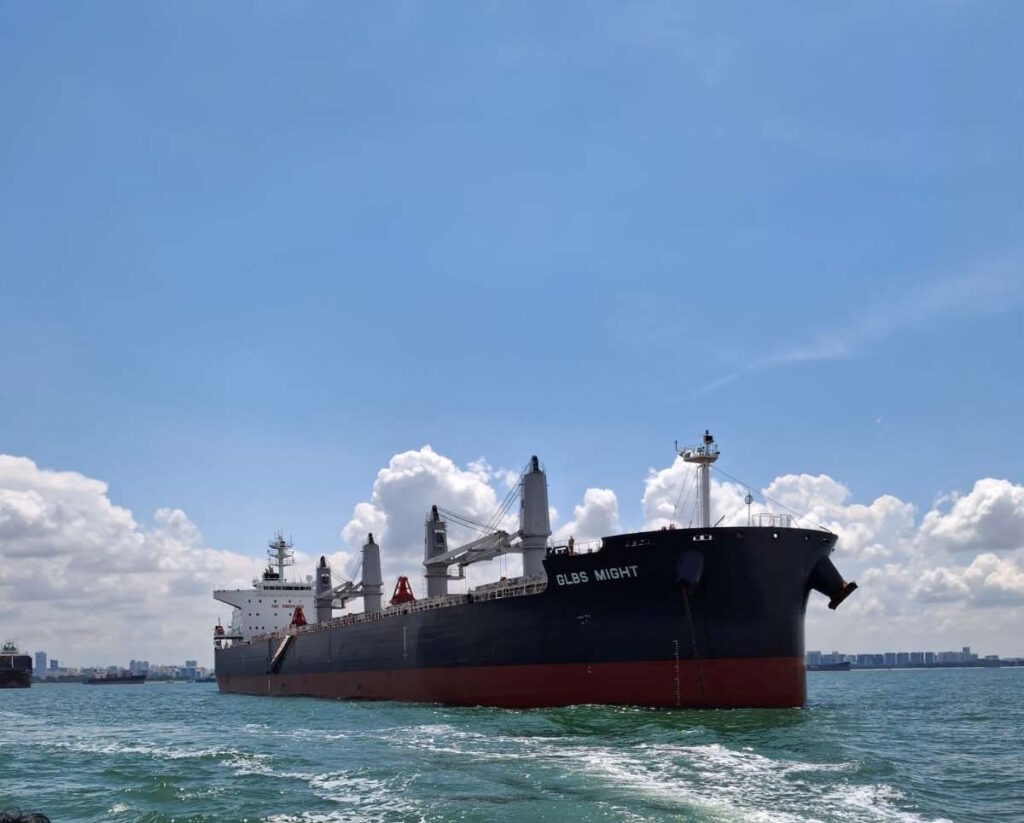
When a loved one passes away overseas, families may feel overwhelmed by unfamiliar procedures, documents and arrangements.
You do not have to manage everything alone.
The following guide explains the main steps involved in bringing your loved one home to Singapore or arranging the appropriate funeral and final arrangements.
Step 1 — Notify the Relevant Authorities
The first step is to ensure that the death has been officially registered in the country where your loved one passed away.
The local hospital, doctor, police or relevant authorities will advise on the required procedures and issue the necessary death documentation.
Important: Do not arrange transportation of the deceased until the local authorities have completed the required formalities.
Step 2 — Contact the Singapore Embassy or Consulate
If your loved one was a Singapore Citizen or Permanent Resident, contact the nearest Singapore Embassy, High Commission or Consulate for assistance and guidance.
They can advise the family on the local procedures and documentation required for repatriation.
If your loved one was a foreign national, the relevant embassy or consulate in the country of death may also need to be contacted.
Step 3 — Decide on the Final Arrangements
The family should consider what they wish to do with their loved one:
Option A — Repatriate to Singapore
Bring the deceased back to Singapore for a funeral, burial or cremation.
Option B — Local Funeral Arrangements
Arrange the funeral, burial or cremation in the country where the death occurred.
The appropriate option will depend on the family’s wishes, religious requirements, documentation, costs and local regulations.
Step 4 — Appoint a Funeral Director
If the family wishes to bring the deceased back to Singapore, it is advisable to appoint a funeral director experienced in international repatriation as early as possible.
The funeral director can coordinate with the:
- Family and next-of-kin
- Hospital or local authorities in the country of departure
- Embalmer / Funeral Home at country of departure
- Embassy or Consulate
- Airlines and cargo departments
- Singapore authorities
- Relevant local Port health authorities here
- Receiving the casket of the deceased loved one from Changi Airfreight Centre e.g either from DNATA or SATS
Having one experienced Funeral director coordinate the entire process to ensure a smooth transition can help reduce confusion and unnecessary delays.
Step 5 — Prepare the Required Documents
International repatriation requires proper documentation.
Depending on the circumstances and country involved, documents may include:
- Original death certificate in English. Otherwise To be officially translated in English from the relevant authority at country of departure. Family may seek assistance from the Singapore Consulate.
- Medical or clinical documentation ( if any ), clearly indicating the Cause of Death
- Passport or identification documents
- Embalming certificate
- Sealing of casket certificate
- Embassy or Consular approval and acknowledgement with the issuance of No Objection documentation
- Airline confirmation of flight acceptance and it’s flight details
- Authorisation from the next-of-kin to appoint the local Funeral Director for the repatriation service
- Personal effects declaration with itemized list provided.
- Permits required by the country of departure. To Export Coffin to Singapore.
- Permits required by Singapore authorities. NEA Port Health Section. For the application of Permit to Cremate ( in Singapore ) PTC and subsequently for Permit to Import Coffin into Singapore.
- Airwaybill from the country of departure
Requirements may vary depending on the country, circumstances leading to the cause of death and the nature of the case.
Your appointed funeral director can advise the family on the documents required for the specific case.
Step 6 — Preparation and Embalming
Before international transportation, the deceased generally needs to be prepared according to the requirements of the country of departure, airline and destination authorities.
This may include:
- Embalming for the purpose of International repatriation
- Preparation of the body including attiring
- Sealing of the coffin
- Required documentation
- Airline confirmation of acceptance with flight details.
The funeral director will coordinate the necessary arrangements with the appointed mortuary, embalmer or funeral home at the country of departure.
Step 7 — Arrange the Flight to Singapore
Once the required documentation and preparation are completed, the local funeral director can coordinate with the Funeral home from country of departure, airline or airfreight agent for the transportation back to Singapore.
The flight arrangements will depend on:
- Airline availability
- Cargo acceptance
- Destination requirements
- Documentation
- Coffin specifications
- Transit points / flight sectors
- Handling requirements
International repatriation may take several days, depending on the country and circumstances.
Step 8 — Obtain the Necessary Singapore Approvals
Upon arrival in Singapore, the deceased must be cleared according to the requirements of the relevant Singapore authorities.
Your funeral director can assist with the necessary applications, permits and coordination before the arrival of the deceased.
This is particularly important because documentation must be properly prepared before the deceased can be released for the funeral arrangements.
Step 9 — Receive Your Loved One in Singapore
Once the necessary clearance has been obtained, the funeral director will coordinate the collection and transportation of your loved one from the Changi Airfreight Centre to a designated facility. E.g Embalming Hub for the initial viewing and presentation together with our local appointed Embalmer to check on the embalming status.
Do note that embalming procedures carried out in different countries may have a different standard so we need to ensure that the loved one is well preserved for presentation for wake services prior to making further arrangements for the funeral to take place.
The family can then proceed with the funeral arrangements according to their wishes and faith tradition.
This may include:
- Wake or vigil
- Funeral Mass or other religious service
- Burial
- Cremation
- Repatriation of cremated remains ( if any )
- Other final disposition arrangements
A Few Important Things to Remember
- Do not rush to make all these relevant arrangements alone.
- International repatriation involves several parties and regulatory requirements for clearance purposes.
- Engaging an experienced funeral director earlier from the start can help the family avoid unnecessary delays.
- Keep all original documents safely.
- Do not discard or alter any documents issued by the hospital, authorities, embassy or funeral service provider.
- Inform the local funeral director in Singapore of all relevant circumstances.
- Provide accurate information regarding the deceased, cause of death, place of death, circumstances leading to it’s death, nationality and wishes of the family.
- Every country has different set of requirements.
- There is no single general procedure that applies to every overseas death. Requirements can vary significantly from one country to another.
Need Help Bringing Your Loved One Home?
If your loved one has passed away overseas and you are unsure where to begin, New Life Funeral Director can assist with the coordination of international repatriation to Singapore.
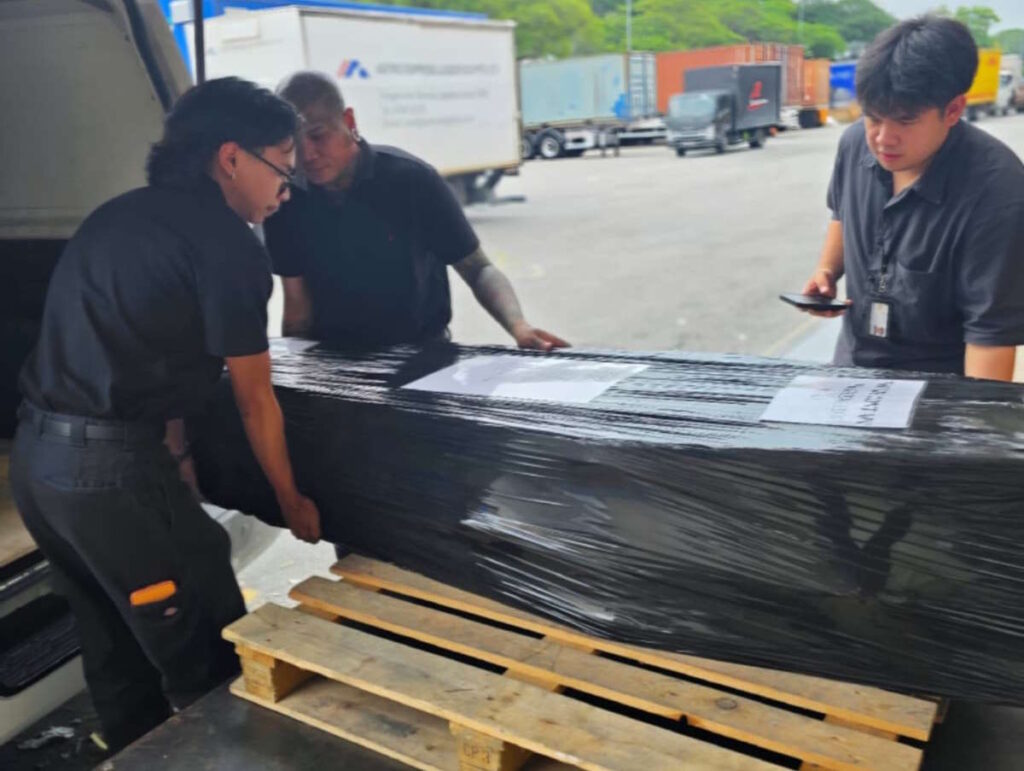
From documentation and embalming to airline coordination, permits and receiving your loved one in Singapore, our team can help guide your family through the necessary arrangements.
You do not have to navigate the process alone.
New Life Funeral Director
Compassionate guidance. Professional care. Bringing your loved one together, bridging distance across borders so no separation feels too far.