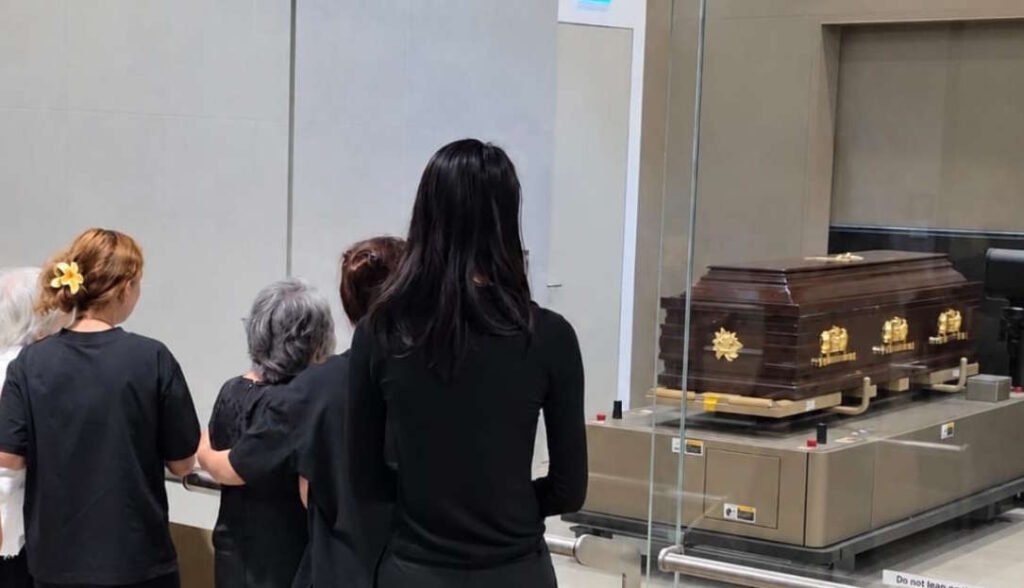
Unlike many other religions, the Catholic faith emphasizes the Resurrection of Jesus Christ while also stressing the importance of the afterlife. This means choosing the right burial options matters for a Catholic Christian. However, there remains a common question: can Catholics be cremated?
Historically, the Catholic Church forbade cremation of the dead, but the restriction has been lifted in modern times. Even so, there are some considerations and other prohibitions to consider. Read on to learn more about cremation in the Catholic Church in this article.
The Historic Catholic Stance on Cremation
Before Christianity escaped pagan persecution, the Catholic Church strictly forbade cremation of the dead. This was because the pagans burned Christian believers to prevent them from being resurrected. While we know God is not hindered by these actions, these cremations may have affected less-mature Christians, leading to the prohibition of cremation.
The Scriptures ask Catholics to avoid living in the world, and that can be interpreted to include not using pagan funeral rites. Traditionally, the Catholic Church retained the Jewish custom of burial.
Even in ancient times, the Catholic Church taught that the bodies of Christians were to be buried reverently in the hope of the resurrection. Additionally, not being able to cremate a person’s remains also allowed for future believers to exhume relics should that person be proven a saint. That is why relics like the tongue of Saint Anthony of Padua are still venerated today.
Despite the ban on cremation, there existed a singular exception. During times of plague and mass death, bodies could be burned. However, people who explicitly asked for their own cremation after death were denied a church burial.
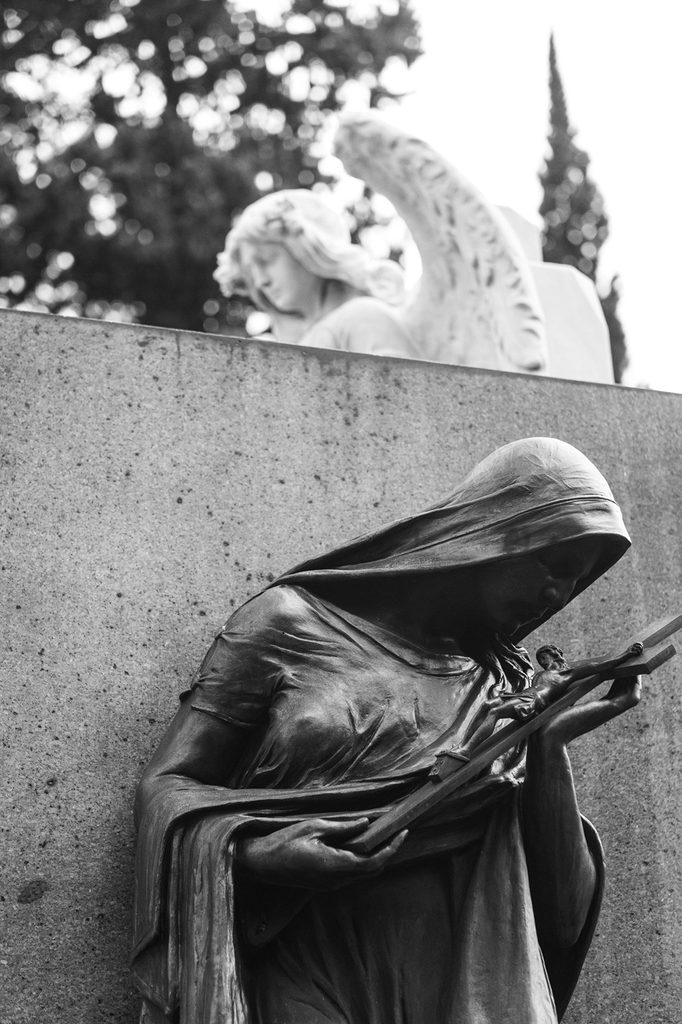
Cremation for Catholics Today
Can Catholics be cremated today? The Catholic Church only allowed cremations in 1963, citing sanitation concerns, reduced number of plots, increasing costs of traditional burials, and some countries like Japan highly discouraging burials for various reasons. In Singapore’s case, plots can only be leased for 15 years, making cremation the practical default option for Catholics as the exhumed remains must then go to a columbarium.
The relaxation of canon law still does not allow the deceased or family members to select cremation to defy the Church’s teaching on the resurrection of the dead. The deceased’s ashes must still be treated respectfully and either stay in the grave or be moved to a proper columbarium. The Catechism of the Catholic Church (CCC), in paragraph 2301, states:
Autopsies can be morally permitted for legal inquests or scientific research. the free gift of organs after death is legitimate and can be meritorious.
The Church permits cremation, provided that it does not demonstrate a denial of faith in the resurrection of the body.
Can Catholics be cremated and still go to heaven then? Yes. Canon law still highly recommends traditional burials if possible, as seen in Canon 1176:
The Church earnestly recommends that the pious custom of burying the bodies of the deceased be observed; nevertheless, the Church does not prohibit cremation unless it was chosen for reasons contrary to Christian doctrine.
The Church also highly recommends burials in a Catholic cemetary but understands this is not always possible. In short, the modern Catholic stance has been loosened but includes several restrictions.
No Scattering of Ashes
Movies and secular practices romanticize the act of scattering ashes in places the deceased has an emotional attachment to. Aside from religious reasons, the Catholic Church forbids these acts because ashes may end up becoming food for animals, an undignified and disrespectful fate for our loved ones.
However, a Dicastery for the Doctrine of the Faith response has loosened this restriction slightly, adding to an exception covered below. A local bishop or church official may permit the preservation of some ashes in a place significant to the deceased person. Even so, any deviation from the understanding of the resurrection of the believers is not tolerated.
Sea burial is sometimes mistaken for scattering, but the Church treats the two differently. The Archdiocese of Singapore’s Liturgy Commission clarifies that burial at sea of cremated remains differs from scattering of the ashes, and the cremated remains should be treated with the same respect given to the human body from which they come. In practice, this means using an appropriate and worthy vessel to contain the ashes, heavy enough to be set into its final resting place, rather than releasing the ashes into the water. As with columbarium and cemetery arrangements, families should confirm the specific requirements with their parish priest before proceeding.
No Mementos Made from the Deceased
Other practices after cremation also include keeping urns of ashes at home, making diamonds out of these ashes, and using processed ashes as nutrients for a tree. Similar to the point above, Catholics are not allowed to preserve their loved ones’ ashes in these ways. While there is a possibility for an exception, it must be approved by church authorities and adhere to local cultural conditions. The 2016 document Ad Resurgendum cum Cristo (ARC) mentions an exception in article 6 that the local bishop can only grant after consulting the Episcopal Conference or the Synod of Bishops of the Oriental Churches.
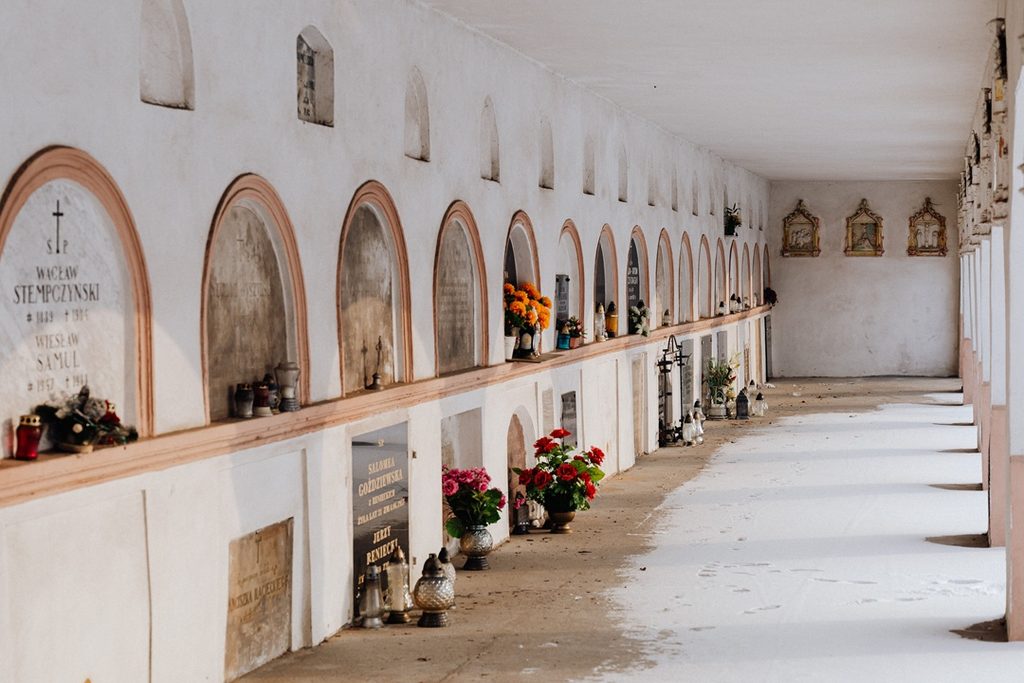
Can Catholics Be Cremated in Singapore?
As long as the cremation follows every applicable rule, Catholics in Singapore can be cremated in a respectful manner. Even so, the Catholic Church still recommends burial as the best option for members. If you have more questions, please feel free to talk to your parish priest.
If you are exploring Catholic funeral options in Singapore, look no further than New Life Funeral Director. You can WhatsApp our founder and director Kelvin directly by clicking or tapping the green button.
Frequently Asked Questions
Can Catholics be cremated?
Yes, the Catholic Church allows its believers to choose cremation as an option provided it is not done to deny the bodily resurrection of believers. If such denial is discovered, the Church must deny the departed a Catholic funeral, according to ARC article 8.
Can the ashes of a Catholic faithful be scattered?
As a whole, the Catholic Church forbids the scattering of ashes in any locations due to the desire to keep the body whole and to prevent ashes from becoming food for animals. Ashes must be buried in a grave plot or kept in a church’s columbarium. Additionally, ashes cannot be kept in the home or made into keepsakes.
Can Catholic ashes be buried at sea in Singapore?
Yes. The Church distinguishes burial at sea from scattering. According to the Archdiocesan Liturgy Commission, cremated remains buried at sea must still be placed in a dignified, weighted vessel and committed with the same reverence shown to a body, rather than dispersed on the water. Families should confirm arrangements with their parish priest beforehand.
Can Catholics be cremated and still go to Heaven?
Cremation does not prevent God from granting eternal life to a deceased Catholic. However, as man cannot know the complete will of God, we cannot judge whether a person is saved regardless.
Why Does the Catholic Church Prefer Burial?
A traditional burial preserves the human body and expresses hope in the resurrection. The Church teaches that God will transform the bodies of all who are resurrected.